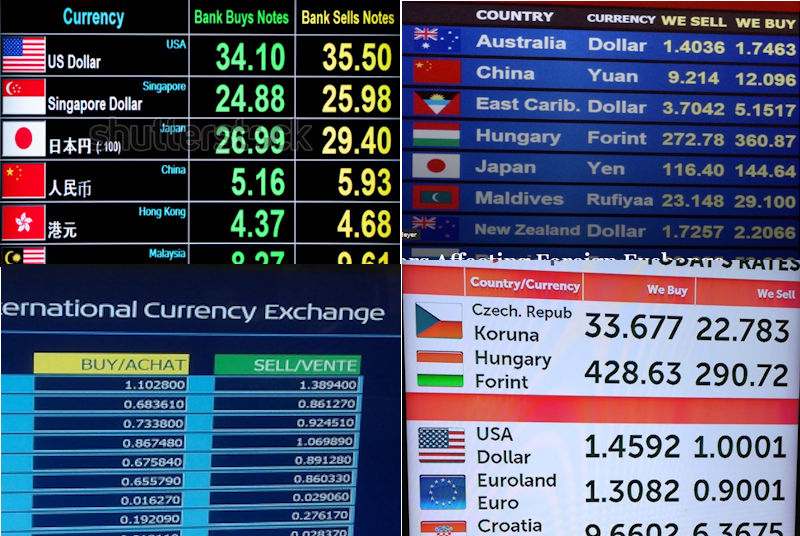

Ten Tips To Help You Save On Costs For Currency Conversion Rates And Fees
Currency conversion charges are critical in the current global economy, regardless of whether you travel abroad or conduct business overseas, or manage investments in foreign currency. These fees vary greatly depending on the currency used, the conversion method used and the company that you use. If you are able to understand these fees, you can save money and make smart decisions. Below are the top ten detailed tips on currency conversion fees that will benefit travelers both businesses and investors alike.
1. Learn about the different types of currency conversion fees
Conversion fees for currency may be in different types, such as transactions fees, service costs, and markups for exchange rates. The transaction fees are set for each change. Service charges may be a % of the amount that is converted. Markups on exchange rates occur when the provider is offering a less favorable rate than the market rate. Understanding these various kinds of fees can aid you in determining the most cost-effective options to meet your requirements.
2. Compare the rates of multiple providers
Check rates before you change currencies. Banks, currency exchange kiosks, and online platforms often have different fees and exchange rates. Use currency converters for real-time rates, and to calculate the total cost including fees. This will help you get the best price and save money, especially when you're trading huge amounts.
3. There are no-cost options for currency exchange
Some banks or financial institutions offer accounts with free exchange of currency, or less fees for specific transactions. Account holders often benefit from free currency conversions for example, those provided by fintech and online banks companies. Think about opening an account with a foreign exchange company such an institution if your dealings with foreign currencies is often.
4. Be aware that DCC (Dynamic Currency Conversion) charges could be very high.
When you make a purchase using your credit card or debit cards from abroad, a program named Dynamic currency conversion could give you the option to use the currency of your home country. Although this may sound convenient but it can result in higher conversion rates and exchange fees. To avoid any additional costs make sure you pay in the local currency. This will ensure that you get the best exchange rate.
5. Use credit cards with no fees for foreign transactions
– When traveling, using credit cards that do not charge foreign transaction fees can reduce your expenses. A lot of credit cards geared towards travel offer this option, which allows you to shop abroad without paying additional charges. It is crucial to select one that is best suited to your travel habits and provides the most favorable exchange rates.
6. You can withdraw money at ATMs.
The exchange rate is often more favorable at ATMs than currency exchange booths. Be aware of the possible charges from both your bank and ATM operators. If you are looking to cut costs, you should use ATMs associated with the bank you are with. You can also withdraw cash using local currency to avoid currency conversion fees.
7. Plan Currency Conversions in Advance
Avoid changing currency in tourist areas or airports. Fees are usually more expensive. Plan your exchange ahead to get better rates and lower costs. Consider researching the best local alternative for exchange. Exchange a small amount to cover expenses immediately before you leave and then convert a larger amount at better exchange rates once you arrive.
8. Track Trends in Exchange Rates
You can determine the ideal moment to convert currencies by keeping an eye for any changes to exchange rates. You can determine the timing of your currency conversions by monitoring exchange rate trends. You can use previous data to inform your choices and take advantage of favorable circumstances.
9. Calculate hidden fees when making transactions
Be aware of hidden fees which may not be immediately apparent. These can include service fees, maintenance fees for accounts with foreign currencies, and unfavorable exchange rates. Be sure to read the fine print and ask questions to ensure you are aware of all costs with currency conversion. This can keep you from being charged unexpectedly and can help make your financial decisions better.
10. Get financial advice from experts before making important transactions
Get advice from a financial expert when you have a large amount of operations to perform or are involved in complex exchanges of currency. Currency specialists can provide insights on the most effective methods for minimising conversion fees and optimizing your transactions. This is particularly important to businesses engaged in international trade as well as investors who want to manage their the exposure to currency.
You can better navigate the process of currency exchange by following these guidelines. Knowing the subtleties of the conversion fee will enable you to make more informed financial decisions that are in line with your goals for business or personal, ultimately saving you money while also enhancing your financial strategy. Take a look at the most popular AUD to USD hints for blog recommendations including usd to japanese yen, mexican peso to usd, cad to usd, usd to aud, convert pounds to dollars, php to dollar, yen to us dollar, pound sterling to usd, dollar to php peso, usd to euro exchange rate and more.

Top 10 Tips To Help You Get The Best Exchange Rates And Regulatory Considerations
Understanding the regulatory environment is essential for anyone who does international business, travels or manages investments. Regulations can differ significantly from country to country. They may affect anything from exchange rates, taxes, and customs fees, to investment compliance, trade restrictions, and more. Understanding these regulations are crucial to ensuring compliance and avoiding penalties. You can take informed decisions by familiarizing yourself with regulatory issues. This will improve your travel experience, simplify your operations and protect your investment. Here are ten tips on how to manage the regulatory aspects effectively in your financial activities.
1. Research Visa Requirements
– Conduct thorough research about the requirements for entry and visas prior to visiting a foreign destination. Visas, entry permits, and the requirements for residency vary from country to country. Be sure to have the proper documents to avoid problems with immigration. Also, keep yourself informed of any recent changes in laws that could affect your ability to travel in the future, since many countries have revised their rules in response to global issues, for instance, the COVID-19 epidemic.
2. Customs Regulations
– Know the import and export restrictions of the nation you intend to travel to. Every country has its own list of goods that can be imported into their nation without incurring any taxes or taxes. Infractions to these regulations could result in fines, confiscation or even legal proceedings. Cash amounts are restricted in a lot of countries. travellers must declare all items that exceed a specific threshold.
3. Foreign Currency Regulations – Be Alert
Different countries regulate currency exchanges and transfers of foreign currency. Do you wish to understand the rules and regulations that govern exchange rates in the country where you will be visiting or doing business? could be limits on the amount that can be exchanged or transferred. Understanding the regulations will allow you to comply with local law and avoid penalties.
4. Consult local legal experts
Talk to local experts for a better understanding of the regulatory environment. These experts can give you important information about local laws, compliance requirements and potential risks that could be involved with your business. This guide can aid you to avoid costly errors and navigate complicated rules.
5. Be aware of tax obligations.
Tax regulations differ greatly from country to country which can have a significant impact on the business or individual. Find out what tax obligations you could be subject to while traveling or doing business abroad which include income tax and value-added tax (VAT) as well as withholding tax for payments. Be aware of any tax treaties that exist between your home country and the country you are visiting.
6. Be sure to comply with Trade Regulations
– If your business involves the export or import of goods, ensure that you meet the requirements of trade regulations which include tariffs, import quotas as well as licensing requirements. Failure to comply with these rules could result in fines or delays in shipping products. Consult an expert in compliance with trade regulations for advice on the specific rules that are applicable to you and your products.
7. Monitoring changes in Regulatory Environments
Politics, economics and social issues can quickly change the regulatory landscape. Keep yourself informed of any changes that may impact your business, travel, or investments by subscribing to relevant news sources, industry newsletters or updates on regulatory issues. This proactive approach will help you stay in compliance and adapt to any new regulations.
8. Investment Regulations and Investment Regulations
For investors, understanding the regulatory landscape is critical. Based on the country, there are different regulations concerning foreign investments. A few of them include ownership restrictions, reporting obligations, and investment vehicle rules. It is important to research the regulations to ensure your investments are compliant and to avoid fines.
9. Use Compliance Software and Tools
You should consider using software and tools that help individuals and businesses manage the regulatory requirements. These platforms can aid in monitoring changes to regulations, coordinating documents, and ensuring that you are in compliance with industry standards. Investing in compliance tools can help streamline your business processes and minimize the risk of non-compliance.
10. Local Business Networks Engaged
Networking with local organizations and business groups can provide you a valuable perspective on regulatory issues. Joining chambers of business, trade associations or industry associations in your local area can assist you meet professionals who have worked in the regulatory environment. These contacts can provide practical guidance and assistance in compliance with local regulations.
The following detailed information about regulations can help you navigate the many complexities of traveling or conducting business as well as managing your investments. Understanding the world of regulation will allow you to take informed decisions in alignment with your financial goals and improve the overall plan. Knowing the regulatory landscape, whether you are planning a trip or expanding your business abroad, or planning to invest overseas can help you avoid mistakes and achieve success. See the most popular CZK to EUR for website info including inr to usd, usd to japanese yen, php to usd, euro to dollar, cdn to usd, usd to cop, convert pounds to dollars, usd to eur, usd to pound sterling, cad to usd and more.